Lunarium Combat, Parry & Dodge
Read animations, deflect first, dodge second — how Ave turns enemy attacks into openings.
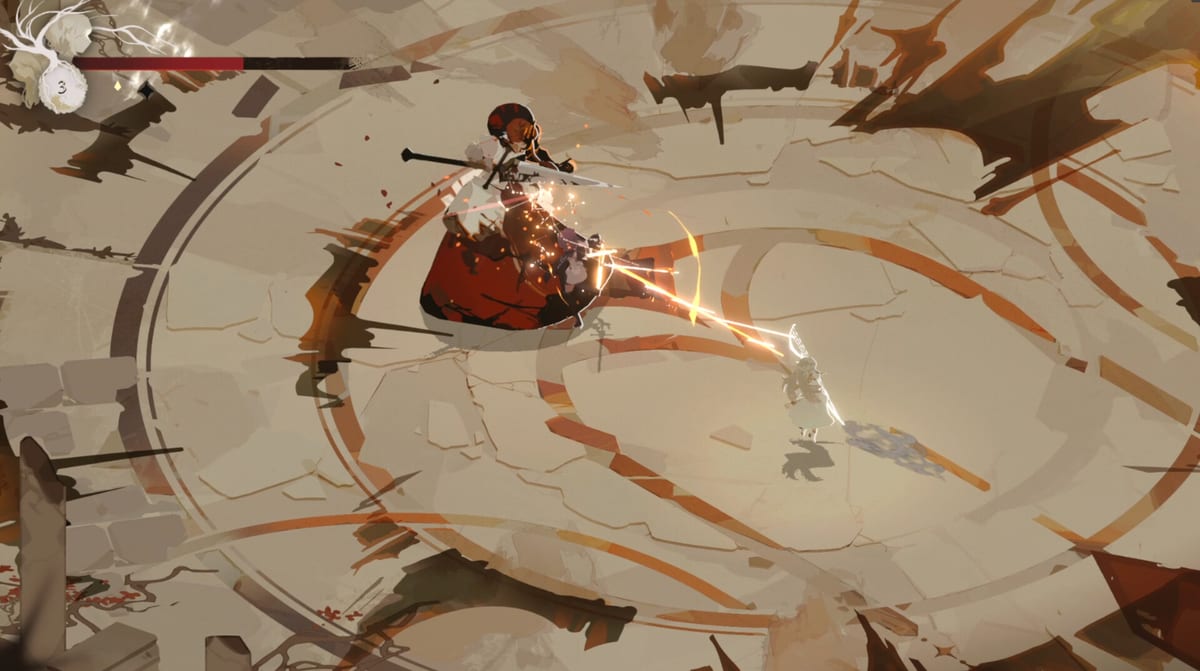
Lunarium’s combat identity is reaction-first. Developer messaging and preview coverage consistently list “perfectly-timed parries and dodges” with parries leading — a deliberate tilt toward Sekiro-style deflection over roll-centric soulslikes. Ave is always on the front line; Lune amplifies openings through the Resonance System but does not replace your defensive skill. This guide teaches how to read attacks, when to parry versus dodge, and how to chain punishes without burning Prayers unnecessarily.
Core philosophy: parry before roll
Most enemies telegraph heavy swings with exaggerated wind-ups visible from the isometric camera. Parrying neutralizes damage, staggers the attacker briefly, and builds resonance faster than passive trading. Dodging remains essential for:
- Ground AOEs you cannot deflect
- Multi-stage combos where only the first hit is parryable
- Grab or grab-adjacent animations flagged with red particle cues in preview footage
If you default to rolling like Dark Souls, you will exhaust stamina and heal through fights that reward one clean deflect into a full combo.
Reading enemy tells
Lunarium enemies — agile knights, mutated creatures, ancient golems — share readable patterns once you stop panicking:
- Wind-up speed — Fast jabs often feint; slow overhead arcs are parry candidates.
- Weapon glow — Demo elites flash before unblockable follow-ups; dodge sideways, not backward, on narrow castle ledges.
- Audio cues — Blade scrape and vocal grunts align with parry frames; wear headphones in Boss Guide attempts.
- Spacing — Isometric view hides depth less than you expect; step slightly off-axis before parrying thrusts.
Practice on Forgotten Forest packs before World Map castle verticality punishes misreads with pit deaths.
Parry execution
Input: E / Left Shift / LB depending on Controls binding.
Timing: Press as the strike connects, not at wind-up start. Early presses whiff; late presses hurt.
Reward: Short stagger, resonance gain, and riposte window for heavy attacks.
Failure state: Guard break or chip damage depending on enemy tier. Recover with a dodge backward, not forward.
Parry chains matter in golem fights where fists alternate left-right. Memorize rhythm like a music game — previews describe PAX East’s final demo boss as “tough-as-nails” precisely because pattern density spikes.
Dodge execution
Input: Space / B.
i-frames: Shorter than some soulslikes; do not treat dodge as invincibility spam.
Best uses: Fire trails in the Ruined Castle, archipelago dreamworld gravity shifts, and mutant leap slams.
Stamina: Dodging repeatedly without parry success drains resources needed for sprint repositioning. Pair dodge habits with Embroidery Guide charms that reduce stamina tax if you prefer evasion builds.
Offense after defense
Successful defense opens a punish phase:
- Light attack string until the enemy flashes super-armor.
- Trigger Lune’s resonance weaken if the meter is full — enemies take more stagger damage while debuffed.
- Heavy attack or skill tree unlocks from Skill Tree Guide for finishers.
- Execution moment — coordinated lethal strike when both characters sync; spend resonance here on bosses.
Stop attacking when the enemy jumps phase. Golem fights especially add new patterns at 50% health.
Lune’s role in combat
You never swap to Lune, but she is not passive. She chips, debuffs, and enables environmental attacks. Manual resonance commands should fire during stagger windows, not at random. Mis-timed support extends fight length and Prayer consumption.
Bench dialogues hint at emotional synergy; mechanically, investing Lune’s skill tree improves debuff uptime — critical for Endings Guide players who under-level support and hit DPS checks late.
Build interactions
Combat feel shifts with equipment:
- Embroideries — Parry regen, dodge distance, resonance on deflect.
- Cloaks — Preset bundles swapping entire charm strategies mid-campaign (Cloak System).
- Temple upgrades — Raw damage so punishes end fights before enemy second phases (Temple Upgrades).
Difficulty spikes by region
| Region | Combat note |
|---|---|
| Forgotten Forest | Teaching parry on slow knights and small mutants |
| Ruined Castle | Vertical arenas, tighter dodge axes, elite density |
| Dreamlike Archipelago | Phase shifts, puzzle-combat hybrids, secret bosses |
Training regimen
- Fight one enemy type repeatedly near a bench until parry success rate exceeds 70%.
- Record boss attempts — phone video is enough — to spot late parries.
- Limit Prayers per attempt to force defensive improvement (Items & Materials).
- Revisit Controls if input lag feels off at unstable frame rates.
Lunarium wants you to learn, not grind levels endlessly. Parry mastery is the skill ceiling that makes the hand-drawn world feel fair even when sorrow-heavy story beats weigh on Ave and Lune.
Frequently Asked Questions
Quick answers to the most common questions.
Is parry or dodge more important in Lunarium?
Parry is the primary defensive tool. Dodge covers unblockables and multi-hit strings parries cannot safely answer.
Can every attack be parried?
No. Ground slams, grabs, and some boss phase transitions require dodging or running to safe zones.
Does Lune fight on her own?
Lune attacks and debuffs automatically but resonance skills need your input at the right stagger windows.
Why do I keep dying despite healing?
Over-reliance on Prayers masks pattern failure. Learn one attack at a time near a bench before consuming heals.
Did the demo change combat feel?
Yes. Post-demo patches adjusted action responsiveness and localization; always test parry timing after Steam updates.