Lunarium Story & World Lore
Memory, identity, and a world losing its glow — what Ave and Lune walk toward.
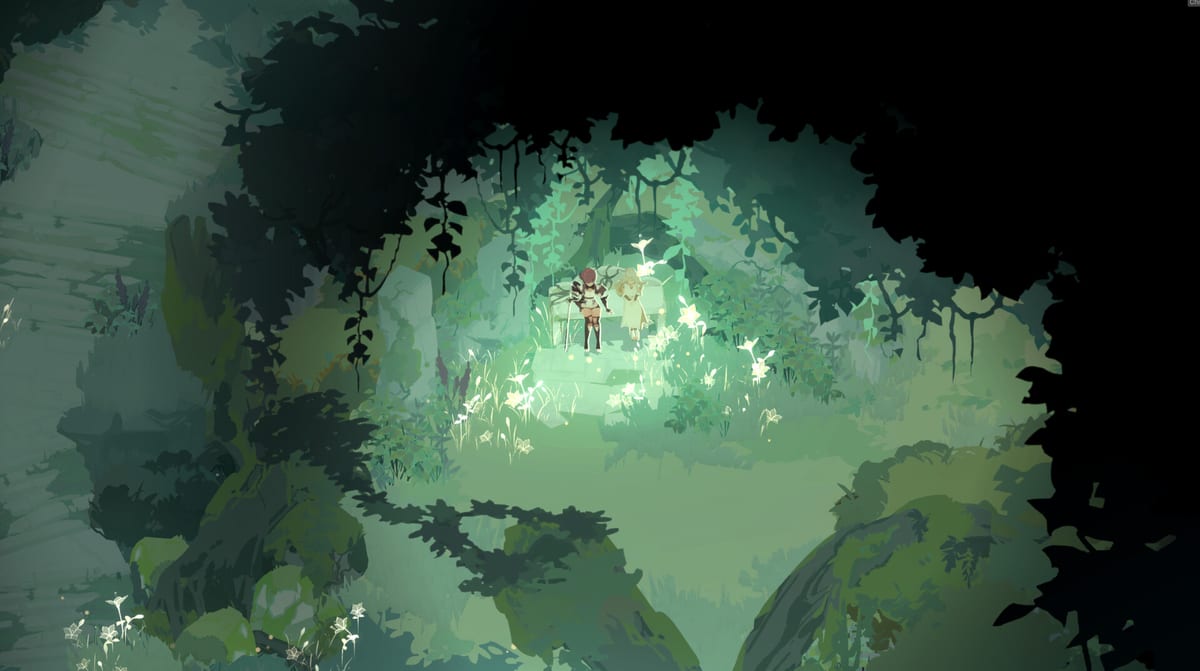
Lunarium asks whether you will keep walking when the road ends in parting. On the brink of collapse, Ave — a light-armored knight — and Lune — a Starfarer of mysterious magic — step into ruins, forests, and dreamlike islands to retrieve lost starlight and forsaken memories. The story is not wallpaper for combat; benches, Temple warmth, and dialogue choices build a bond that competes with parry timing for emotional weight.
This page summarizes confirmed world-building from Steam, publisher previews, and demo impressions through July 2026. It avoids unverified leak details while pointing to the endings guide for route planning and world map for geographic context.
The dying world
Lunarium’s homeland is crumbling — architecture half-swallowed by mist, kingdoms fallen, churches shrouded in dark fog. Official copy describes a quest to save a dying world by recovering the glow of the stars and memories the cosmos forgot. That framing ties exploration to restoration: each zone is both dungeon and elegy.
Major regions named in marketing include:
- Forgotten Forest — overgrown paths where early combat tutorials and first elites appear in demo slices.
- Ruined Castle — decaying fortifications, poison mist variants, and heavier boss encounters.
- Dreamlike Archipelago — surreal star-touched landscapes suggesting the cosmic layer of Lune’s identity.
Unguarded temples and sanctuaries dot the map. The Temple hub offers crafting, Cloak work, and emotional respite — Lune’s bedroom and warm lighting deliberately contrast the oppressive exterior described in preview articles.
Ave and Lune — identity and roles
Ave carries the sword and the player’s agency. She is the party’s blade, turning aside attacks with parries and answering danger first. Her arc questions duty when the world may be unsavable — see the Ave guide for mechanical expression of that frontline role.
Lune carries starlight and mystery. She is not a playable avatar but a co-protagonist: magic weakens foes, memory motifs cling to her dialogue, and environmental breaks literalize “moving forward together.” The Lune guide covers Resonance mechanics; lore-wise she connects the terrestrial collapse to cosmic secrets.
Preview writers noted their relationship already feels like the game’s heart — complicity, silence, small bench conversations after hard fights. As progression unlocks, the bond between Ave and Lune grows, granting opportunities to fine-tune playstyle through skill trees and passive gear bonuses, as highlighted in the July 2026 release date trailer coverage. Pre-launch previews from MonsterVine and RPG Site also emphasize a soundtrack built around darker fantasy tone and narrative themes of memory, selfhood, and meaning. Lunarium Studio’s nine-person team emphasized accompaniment over pure punishment, a tonal choice that separates the title from generic souls-likes.
Themes: memory, identity, farewell
Three themes recur in official quotes and preview interpretation:
Memory. Gameplay collects threads of hope, Embroideries echo mnemonic naming (Mnemonic Guard in build guides), and narrative promises to unveil forsaken recollections. Memory is not only lore text — it mirrors systems where past choices may echo in endings.
Identity. Ave and Lune confront truths hidden within themselves while crossing worlds. Starfarer imagery suggests Lune’s selfhood ties to places beyond the ruined homeland; Ave’s knighthood may be role as much as birthright.
Farewell. Steam promotional dialogue explicitly frames the journey as beginning with parting and possibly ending with it — “Even so, will you still come with me?” That question previews emotional stakes higher than a simple macguffin hunt.
Cosmic secrets and starlight
Lunarium blends grounded decay with celestial fantasy. Retrieving star glow implies the world’s sickness is metaphysical as well as political or environmental. Lune’s Starfarer title positions her as bridge between layers — why Resonance combat feels like coordinated astronomy as much as swordplay. Mechanical detail lives in the Resonance system guide; lore-wise, Resonance is the narrative made visible in meter form.
Enemies and fallen history
Ancient golems, mutated creatures, and agile knightly foes populate ruins — each family hints at civilization’s collapse rather than random spawn tables. Bosses demand Resonance synergy in previews, reinforcing that the world’s wounds require both heroines. Combat guides like parry and dodge help gameplay; lore reads bosses as guardians of forgotten oaths or failed experiments.
Two endings
Official materials confirm multiple narrative outcomes without publishing full spoiler paths. The endings guide collects route conditions known from demo datamining boundaries and developer hints — typically branching on key dialogue, companion trust, and late-game decisions rather than build min-maxing.
Expect endings to reflect the farewell theme: not every conclusion guarantees reunion or restored starlight. Replay encourages NG+ or second runs with different skill builds once story context is understood.
Tone vs difficulty
Lunarium is demanding — parries, limited Prayers, bench hubs — but previews insist it wants to teach rather than humiliate. That design philosophy matches story tone: hardship without nihilism. Warm interiors, girl-to-girl dialogue, and hand-drawn beauty reward persistence.
Players struggling mechanically should not skip lore; understanding why Ave continues clarifies motivation during difficulty spikes. Pair this page with getting started for practical onboarding.
Developer and release context
Lunarium Game Studio (Shanghai, ~nine developers) ships July 29, 2026 on Steam and Epic for $17.99, published by Imperfect Games. Languages include English, Japanese, Simplified Chinese, and Traditional Chinese — this wiki also serves EN with JA and ZH-TW locales per site meta.
Demo patches through 0.4.5 beta adjusted combat feel while leaving narrative spine intact. Post-launch story DLC is unconfirmed; treat this lore summary as launch-scope.
Related wiki pages
- Characters: hub, Ave, Lune
- Gameplay: world map, endings, Resonance
- Builds: early game, tier list hub
Frequently Asked Questions
Quick answers to the most common questions.
What is Lunarium's story about?
Two young women — knight Ave and Starfarer Lune — cross a dying world to recover lost starlight and memories, confronting cosmic secrets and truths about themselves along the way.
How many endings does Lunarium have?
Official messaging points to at least two endings. Route details and choice timing are documented on the endings guide without heavy spoilers here.
Is Lune human?
Marketing presents her as a girl wielding mysterious magic with Starfarer imagery tied to stars and memory. Full identity reveals belong to in-game story and the endings guide.
What regions does the game include?
Named zones include the Forgotten Forest, Ruined Castle, and Dreamlike Archipelago, plus temples and mist-shrouded churches. The world map guide tracks exploration order.
Does story choice affect combat builds?
Builds remain largely independent, though ending routes may gate areas or bosses that drop specific Embroideries. Mechanics first, narrative branches second.
Where does the Temple fit in lore?
The Temple is a blessed sanctuary for crafting, rest, and quiet character moments — a literal safe harbor against the collapsing world outside.